
You don’t have to be traveling internationally to benefit from understanding emerging animal health concerns.
New World screwworm is a parasitic fly that lays eggs in wounds or body openings. Its larvae feed on living tissue, making early recognition especially important.
Three Ways to Stay Prepared
Know what an unusual wound looks like.
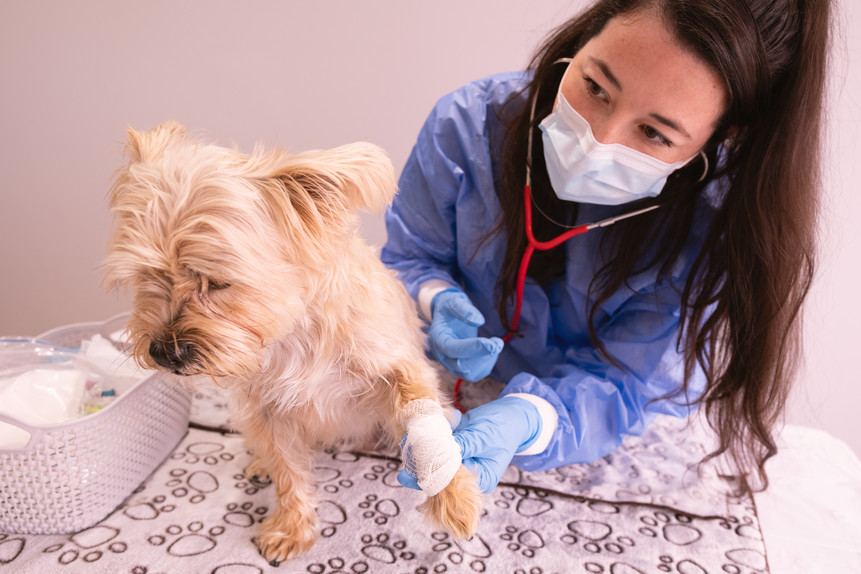
A wound that isn’t healing, develops swelling, produces bloody discharge, smells unpleasant, or contains visible larvae needs prompt attention. Pets may also lick excessively, shake their heads, act irritable, or become unusually tired.
Never attempt to remove suspected larvae yourself. Veterinary treatment and required disease reporting are essential.
Talk about parasite prevention.
We recommend maintaining year-round flea and tick protection. Certain commonly prescribed parasite medications have received FDA authorization for treating screwworm infestations. Your veterinarian can explain which options are appropriate.
Check requirements before traveling.
Some states require pets arriving from affected areas to have a recent veterinary examination, health certificate, special screwworm documentation, or entry permit.
California has additional entry rules for animals from designated affected areas. Visit CDFA for updated information.
At Canyon View Cares Orem, we want pet owners throughout Utah County to feel informed about their pets’ health, whether they’re staying local or preparing for a trip.
Continue Learning About Screwworm
Have additional questions? The USDA’s New World screwworm resource provides current activity reports, the FDA explains medication authorizations, and California’s animal health website details entry requirements that may affect pets traveling from certain regions.